MONDAY, NOVEMBER 12, 2012
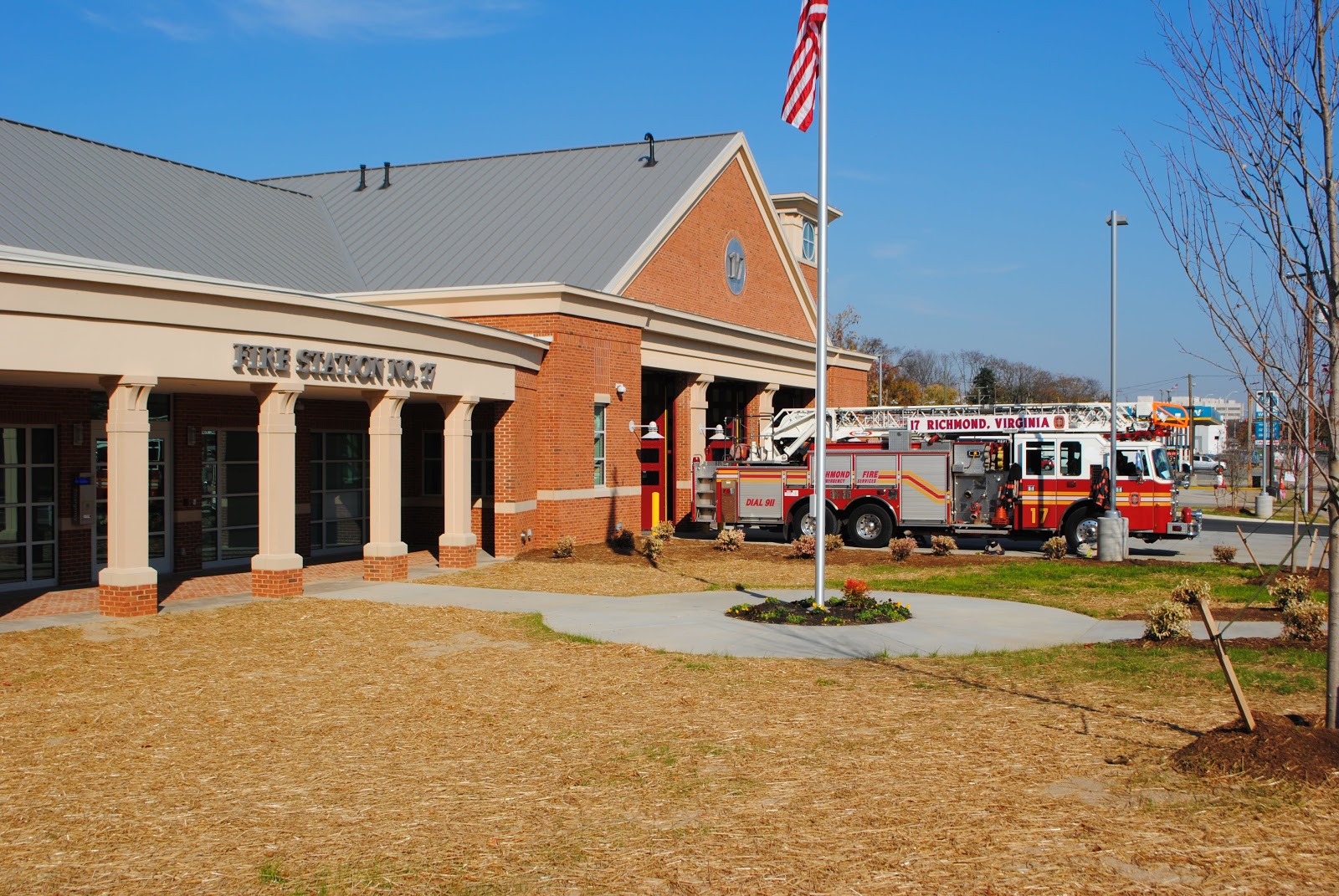
The first city facility constructed as a Leadership in Energy and Environmental Design (LEED) certified building, a state-of-the-art firehouse, was recently opened at 2211 Semmes Avenue. Firehouse 17 is also the first new fire station in Richmond in 18 years and replaces the firehouse on Bainbridge Street that was built in 1917 for horse-drawn equipment.
The project included a $3.5 million federal grant and $1.4 million of city funding.
"As part of our RVAgreen sustainability program, we are committed to ensuring that any new city building totaling more than 10,000 square feet will be built to at least a LEED Silver certification standard," said Mayor Dwight C. Jones during the grand opening ceremony for the fire station. "We are committed to green buildings because they are cost effective, they operate as healthy places to work, and they are environmentally responsible."
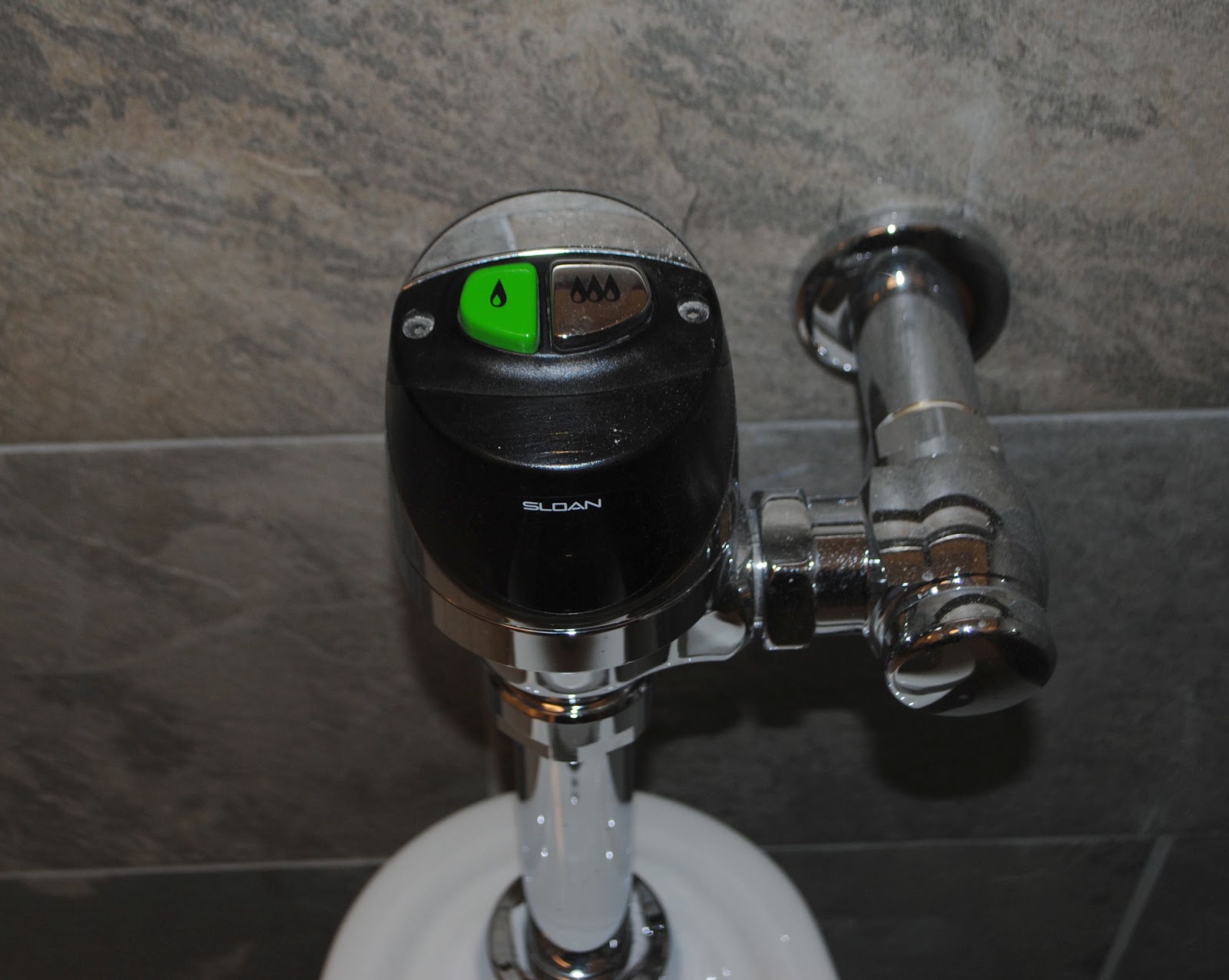
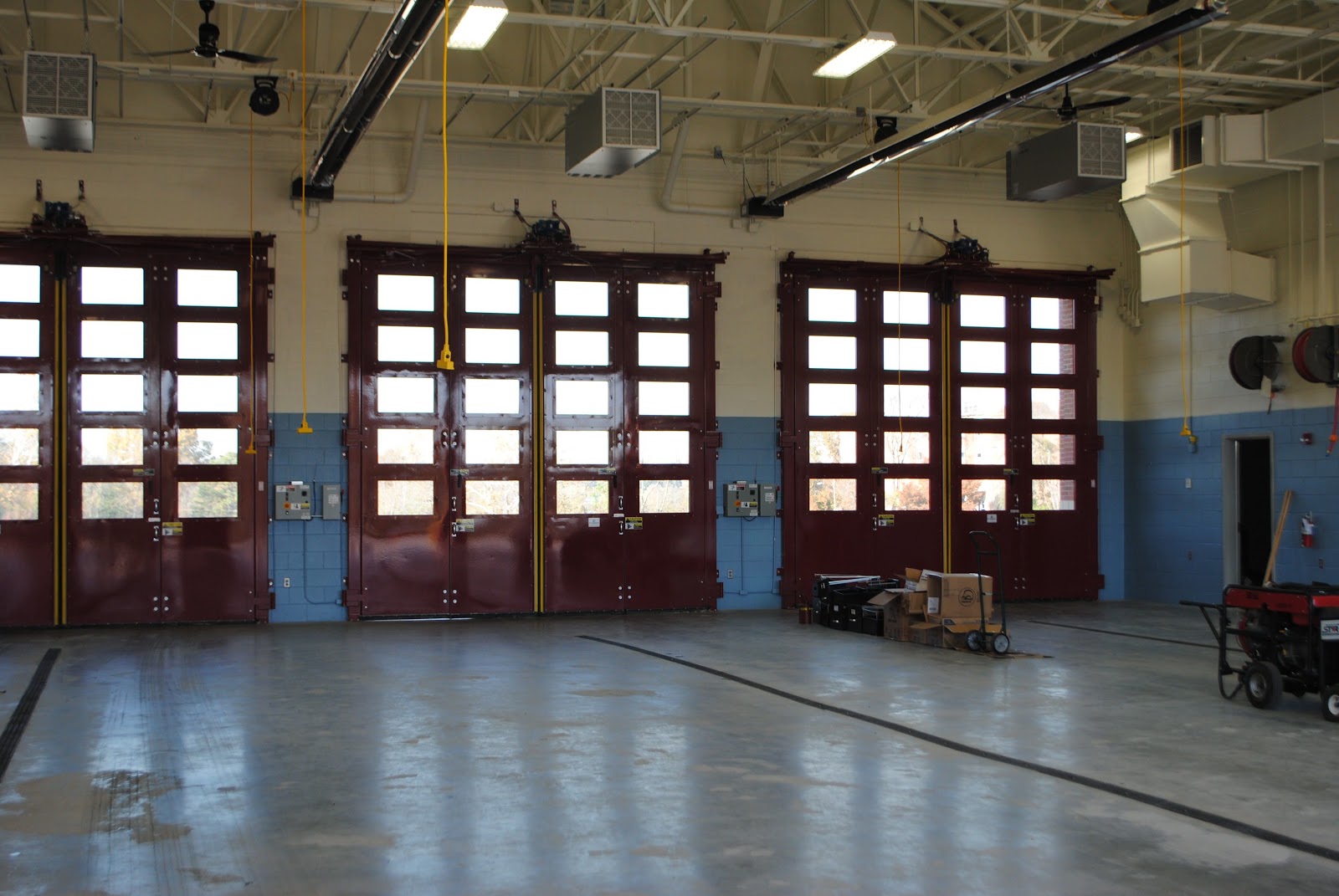
The city's minimum requirement for the fire station was a LEED Silver certification, but Firehouse 17 was submitted for a LEED Gold certification. It incorporates many "green" features, including a heat pump that detects where in the building people are and allocates heat or air conditioning to those locations, extensive use of natural light, infrared heat that directs itself to people in the vehicle bay, and horizontal bay doors that can open and close in six seconds, letting vehicles in but keeping the cold air out. The toilets are even smart. With a touch of a button, you can allocate just the water you need to flush.
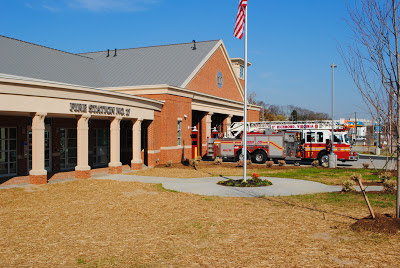 |
| Fire Station 17 on Semmes Avenue is state-of-the-art |
 |
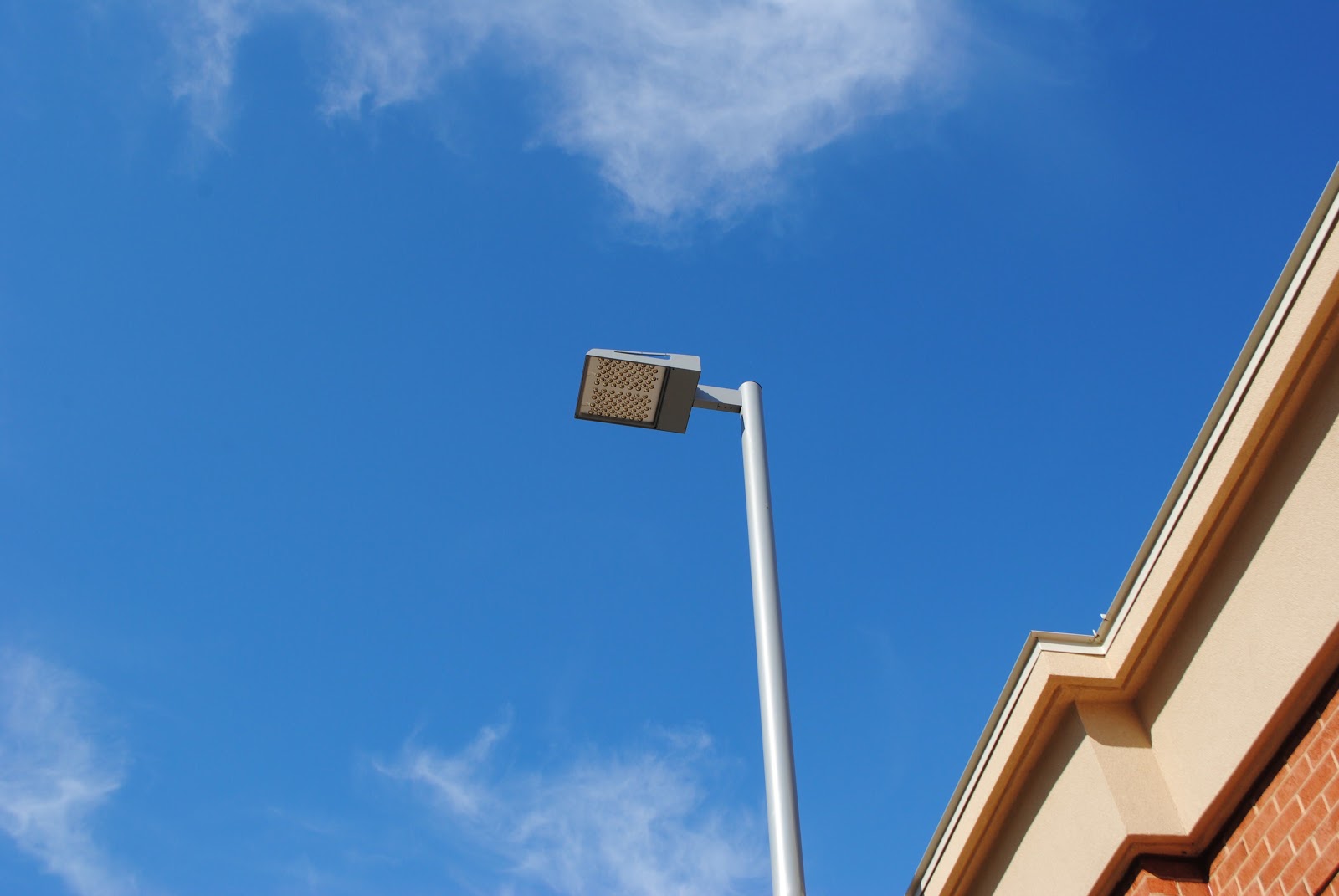
| Motion detector outer lights come on only when needed with these high-efficiency, LED, shoebox style sight lights for the parking lots. |
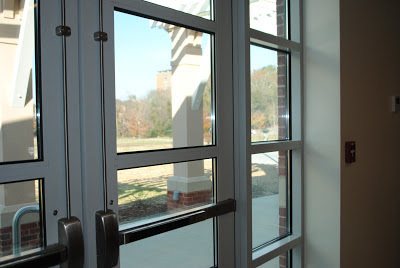 |
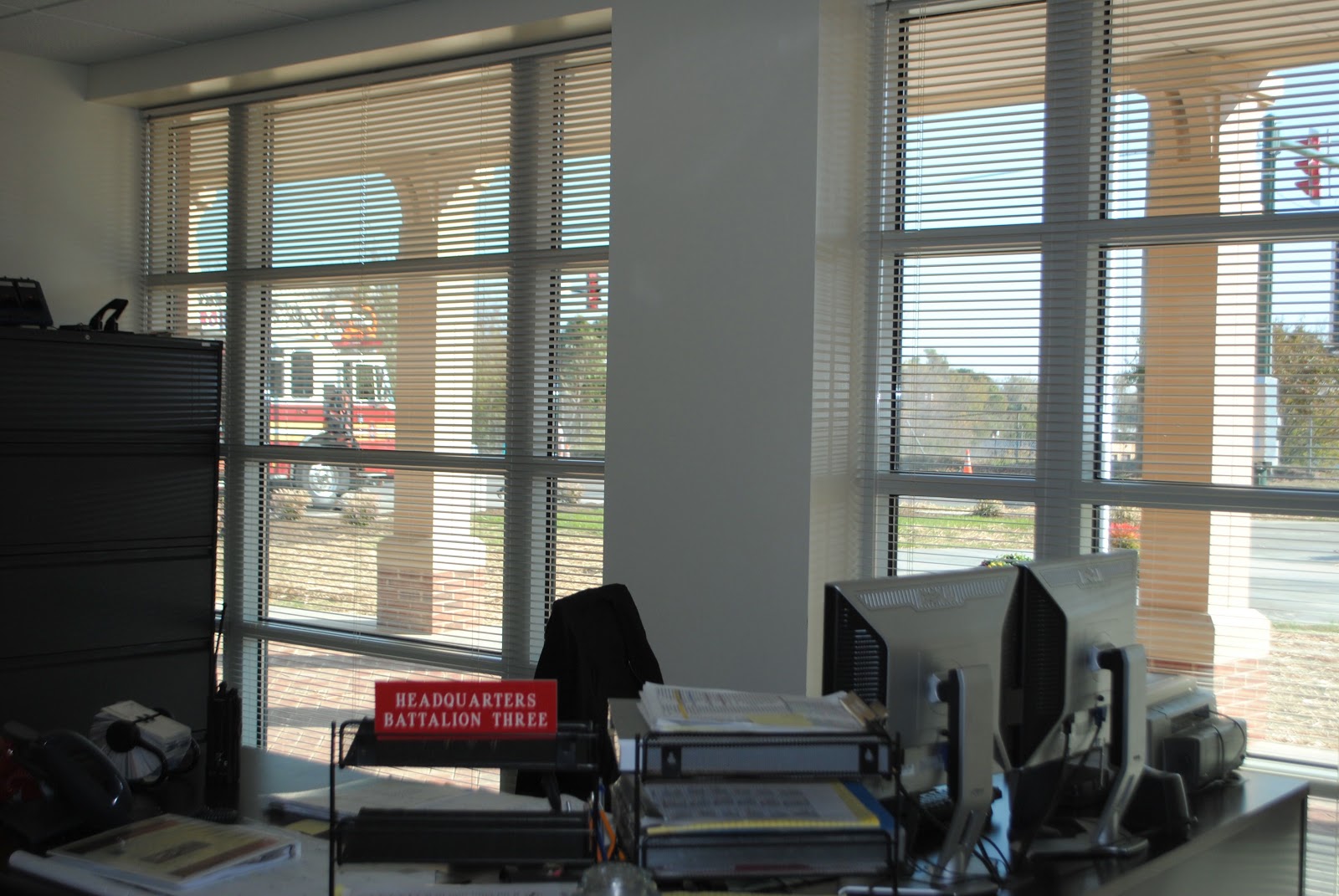
| Large glass doors and windows let in natural light and warmth. |
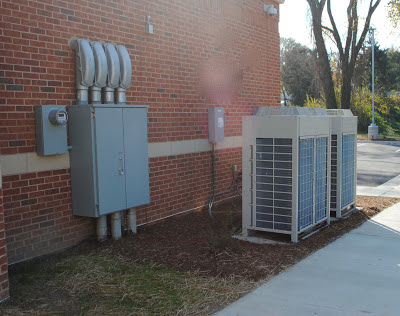 |
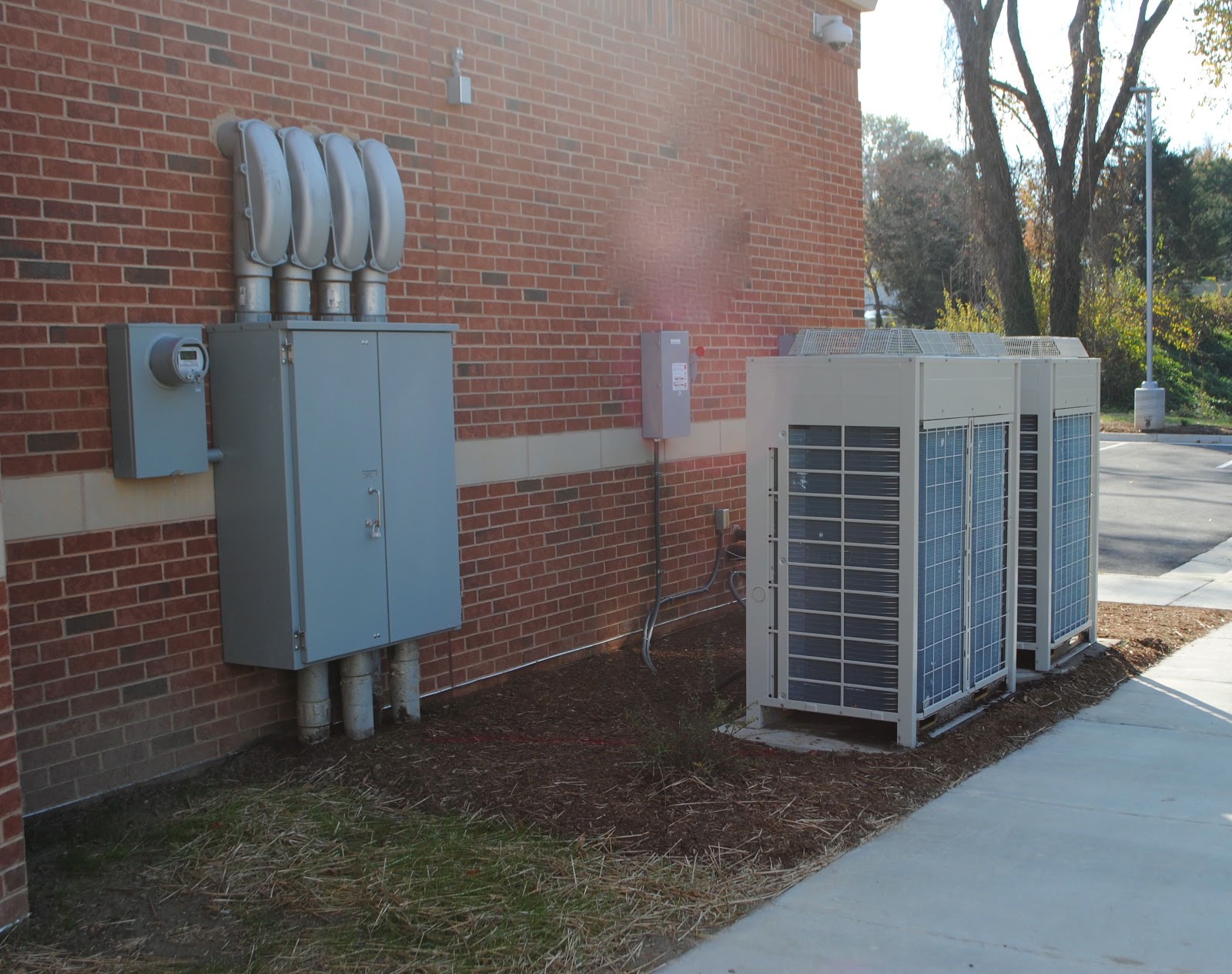
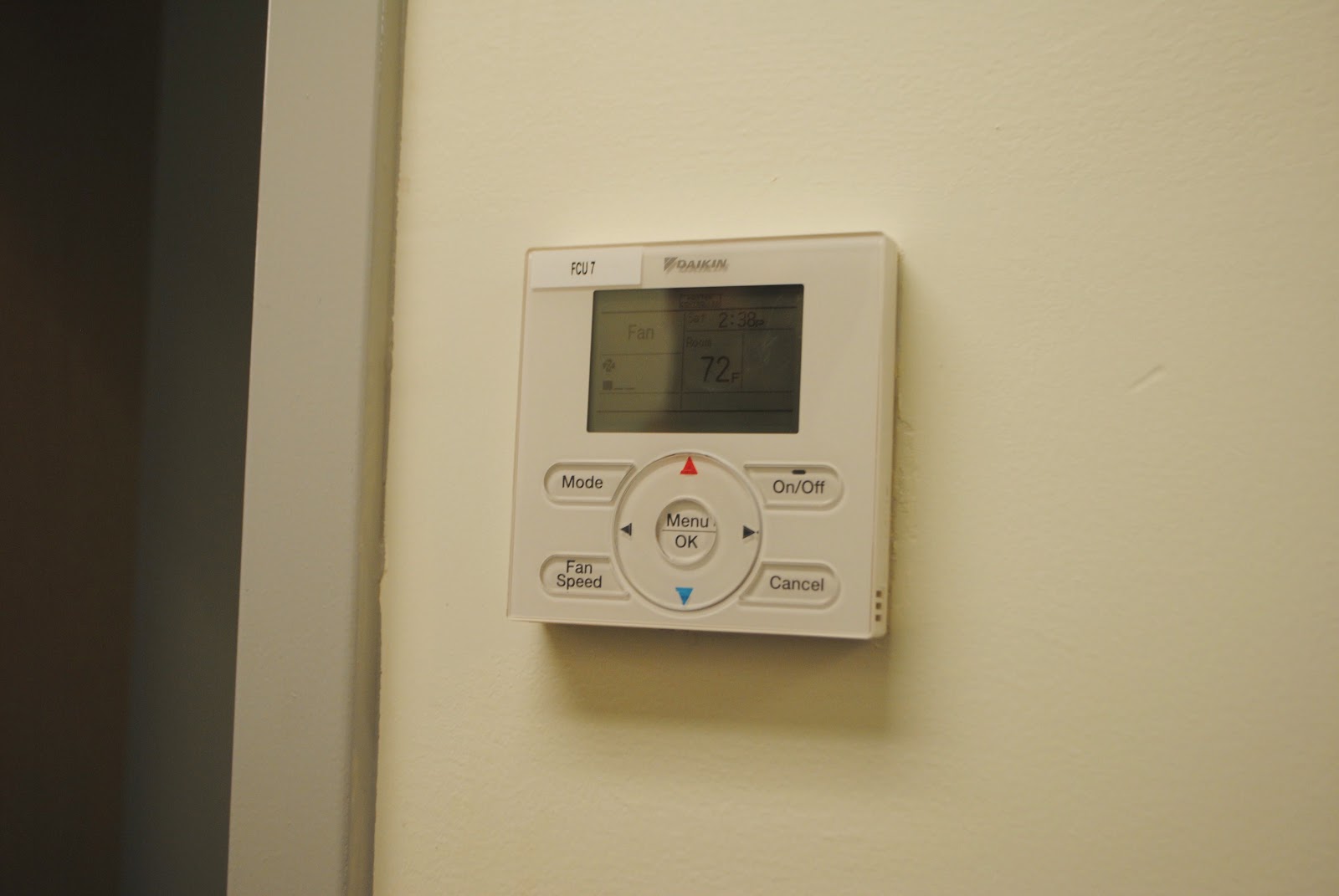
| State-of-the-art high efficiency energy recovery heat pumps control heating and air conditioning, directing it to parts of the building that are occupied. |
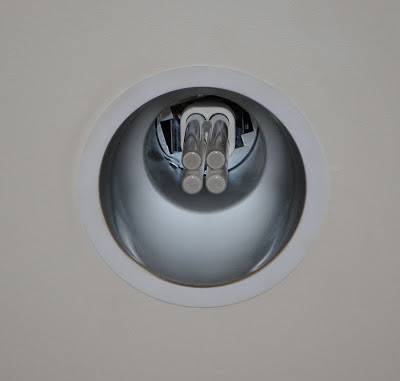 |
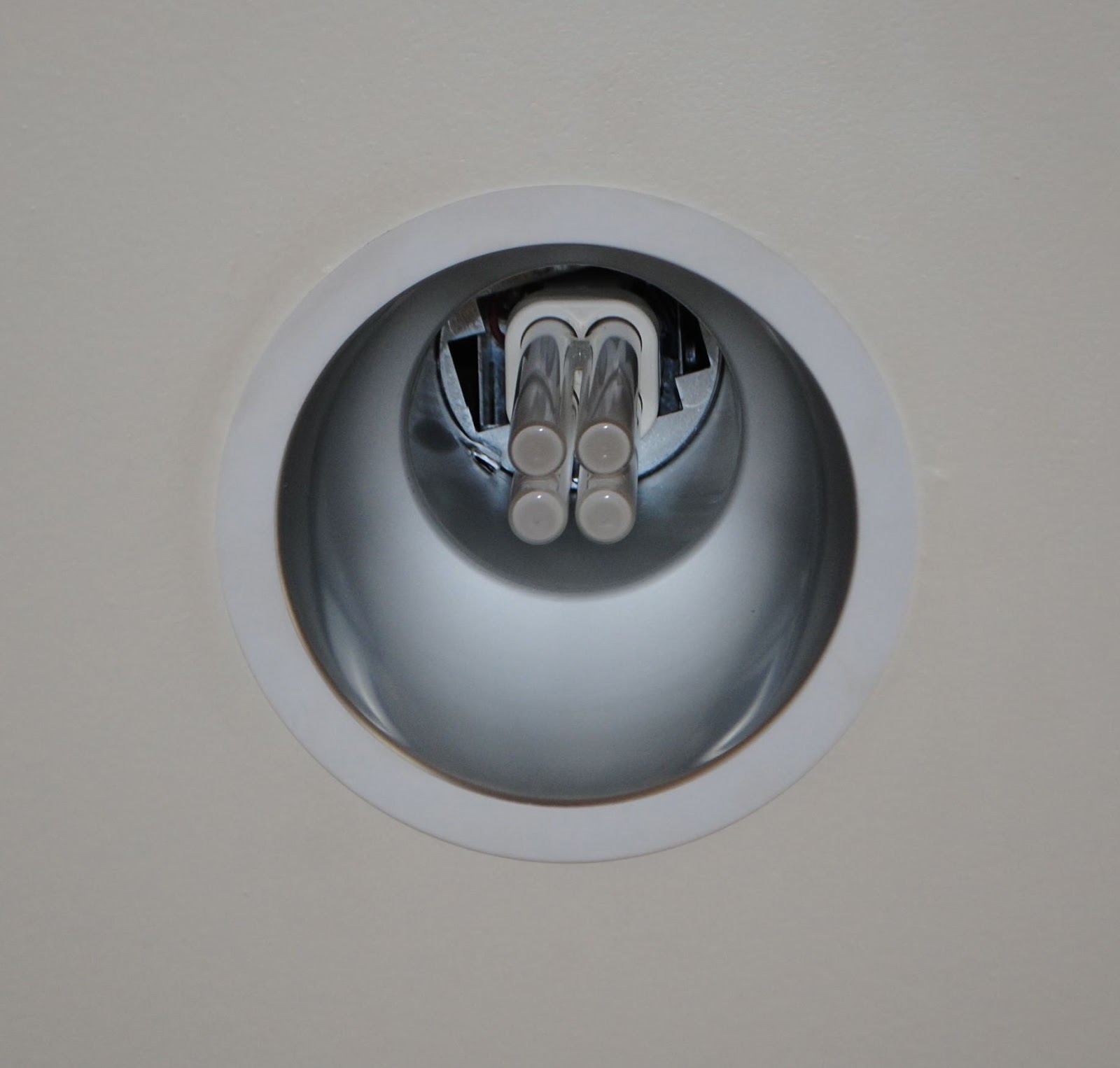
| High efficiency compact fluorescent lights in the hallways save energy, use less wattage and last longer. |
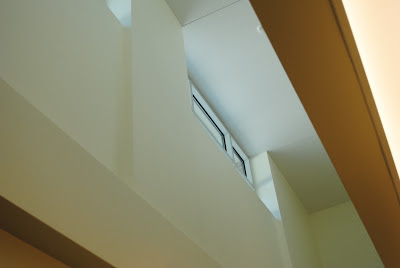 |
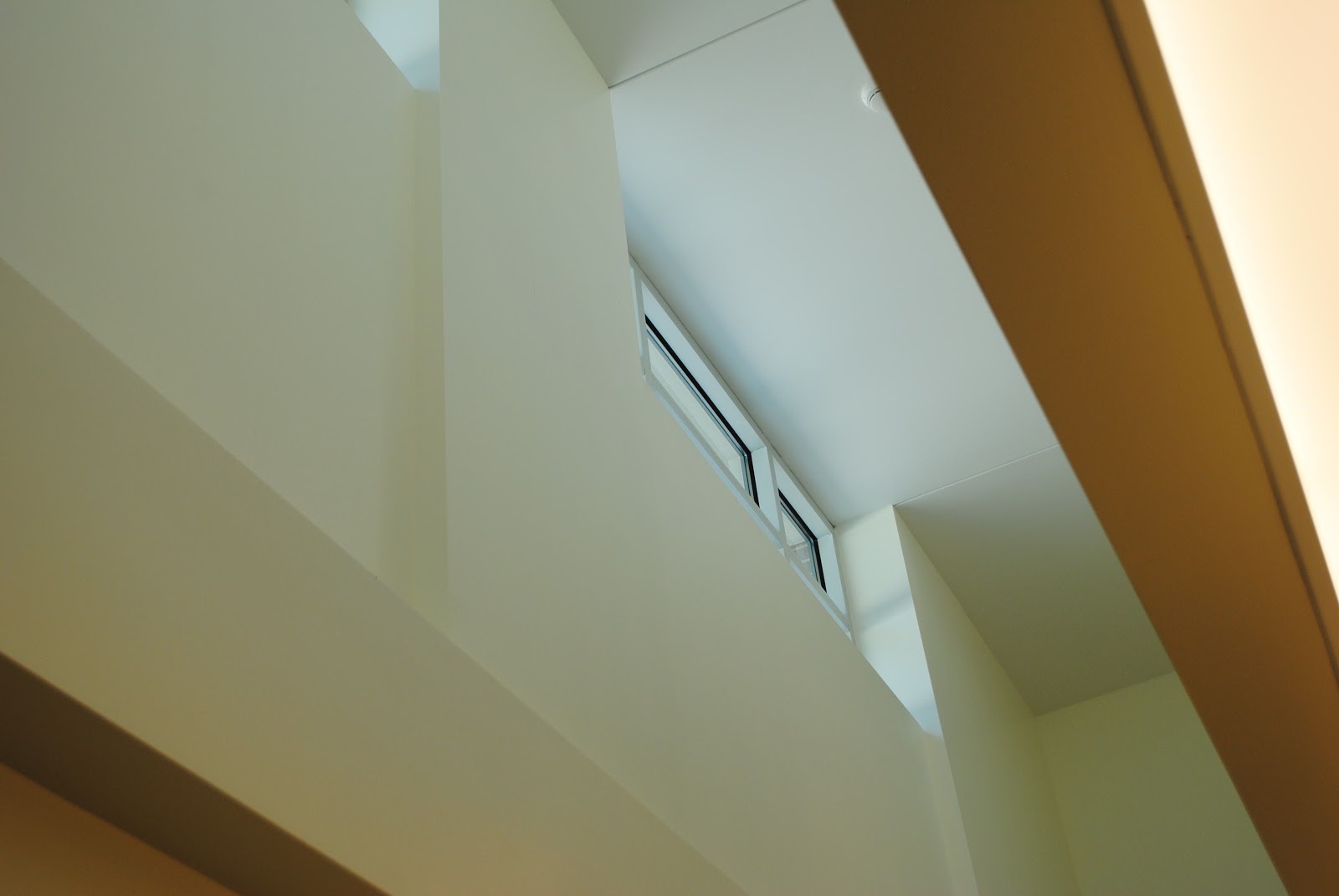
| Sky lights and window panes near the ceiling let natural light in even to the interior of the building. |
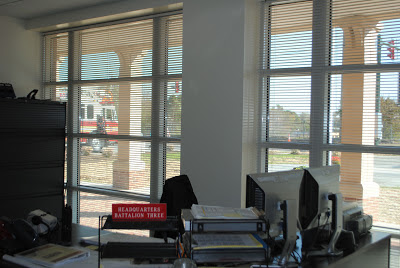 |
| Exterior office walls are primarily windows for the solar heat and natural light. |
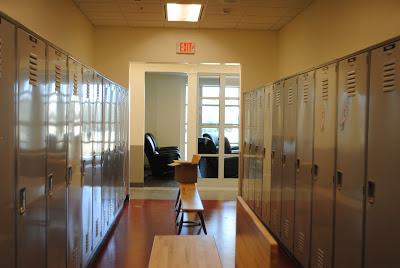 |
| Skylights illuminate inner rooms. |
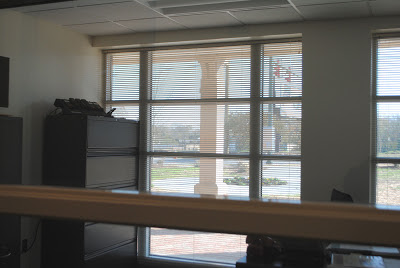 |
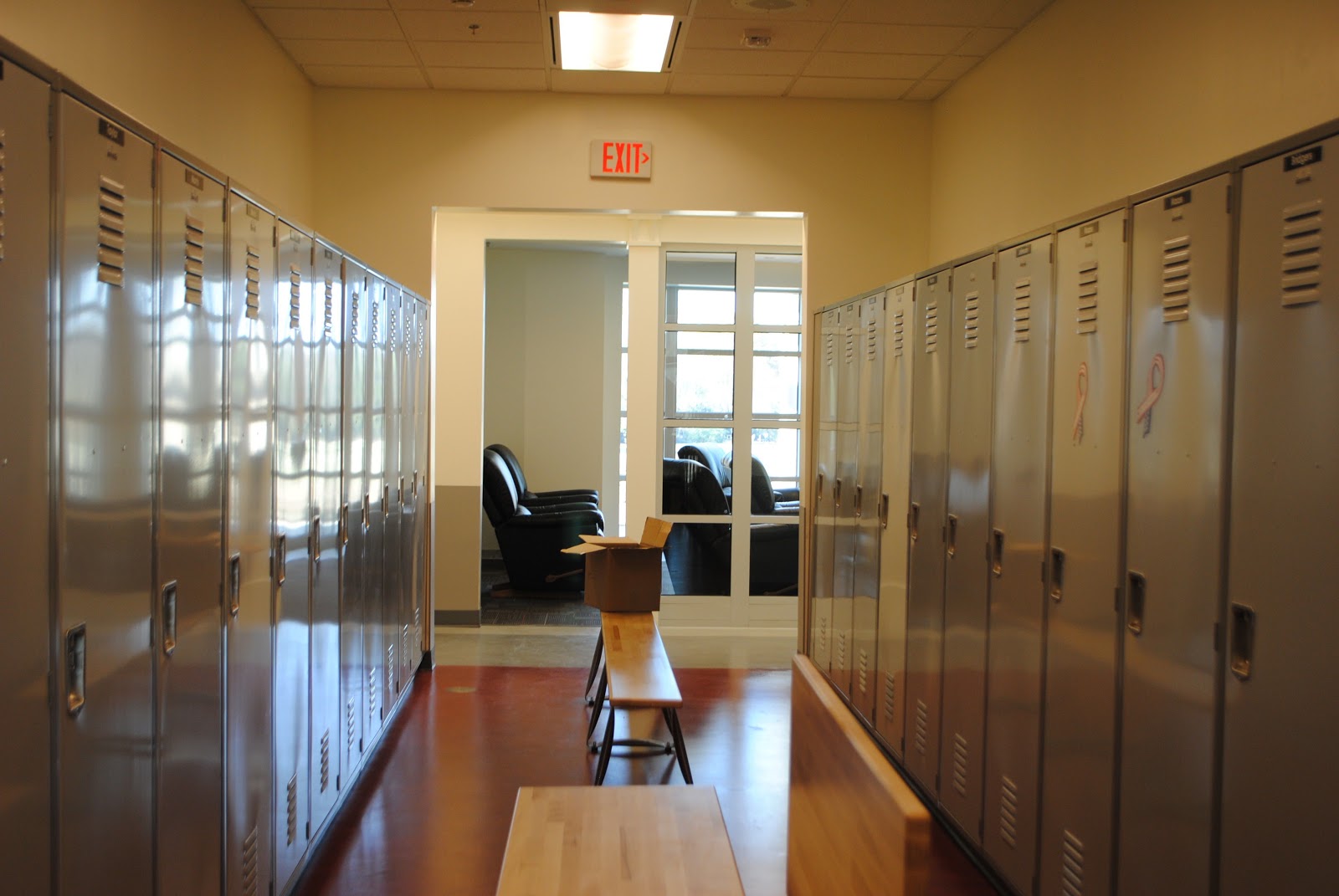
| Hallway walls are glass, so the light from exterior windows reaches into interior hallways. |
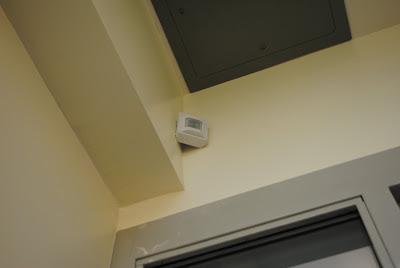 |
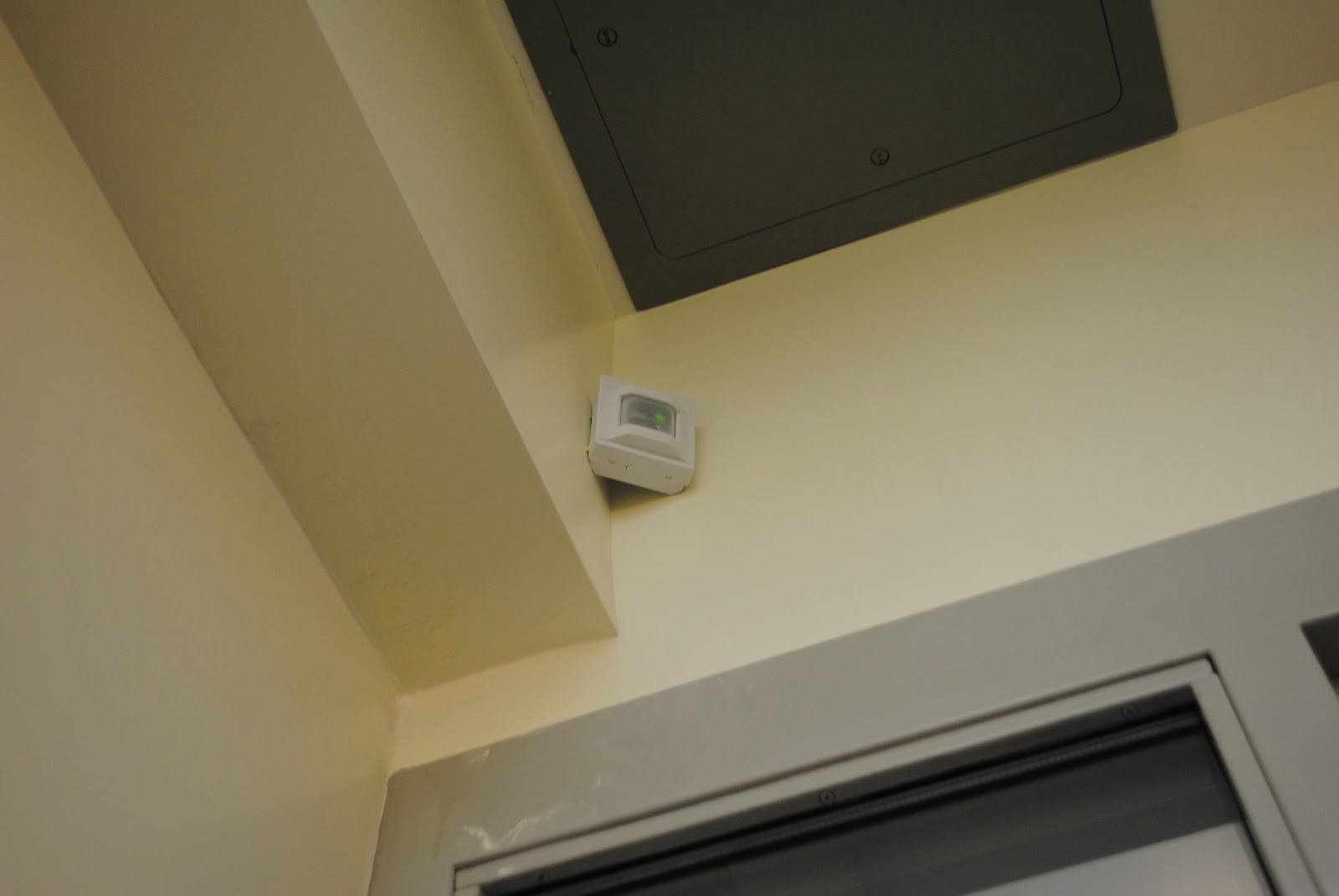
| Motion detectors know when areas of the building are occupied and need heat or air conditioning. |
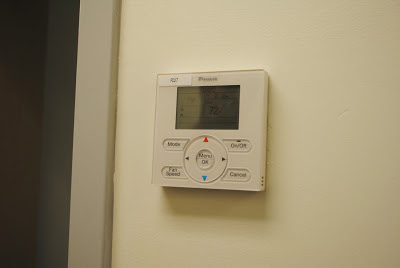 |
| Thermostats control the heating and air conditioning on a time schedule as well as an occupancy schedule. |
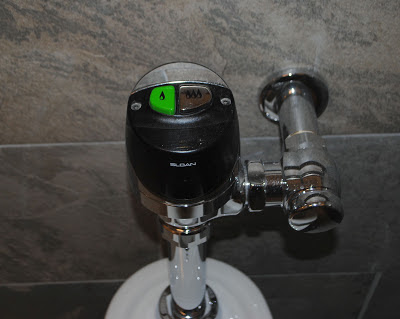 |
| Even the toilets are smart! You can press the green button and flush with a minimum of water, or press the brown button and flush with more water. |
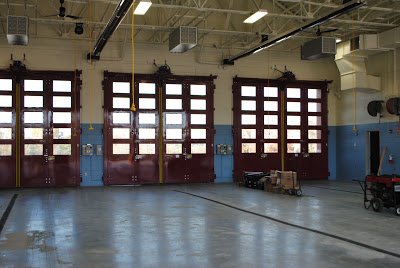 |
The garage bay has infrared heat that detects movement in the bay and directs the heat toward the person.
Watch the doors open and close in real time:
{"preview_thumbnail":"/sites/default/files/styles/video_embed_wysiwyg_preview/public/video_thumbnails/aOZfADDabCw.jpg?itok=ShccJgW0","video_url":"https://youtu.be/aOZfADDabCw","settings":{"responsive":1,"width":"854","height":"480","autoplay":1},"settings_summary":["Embedded Video (Responsive, autoplaying)."]}
|